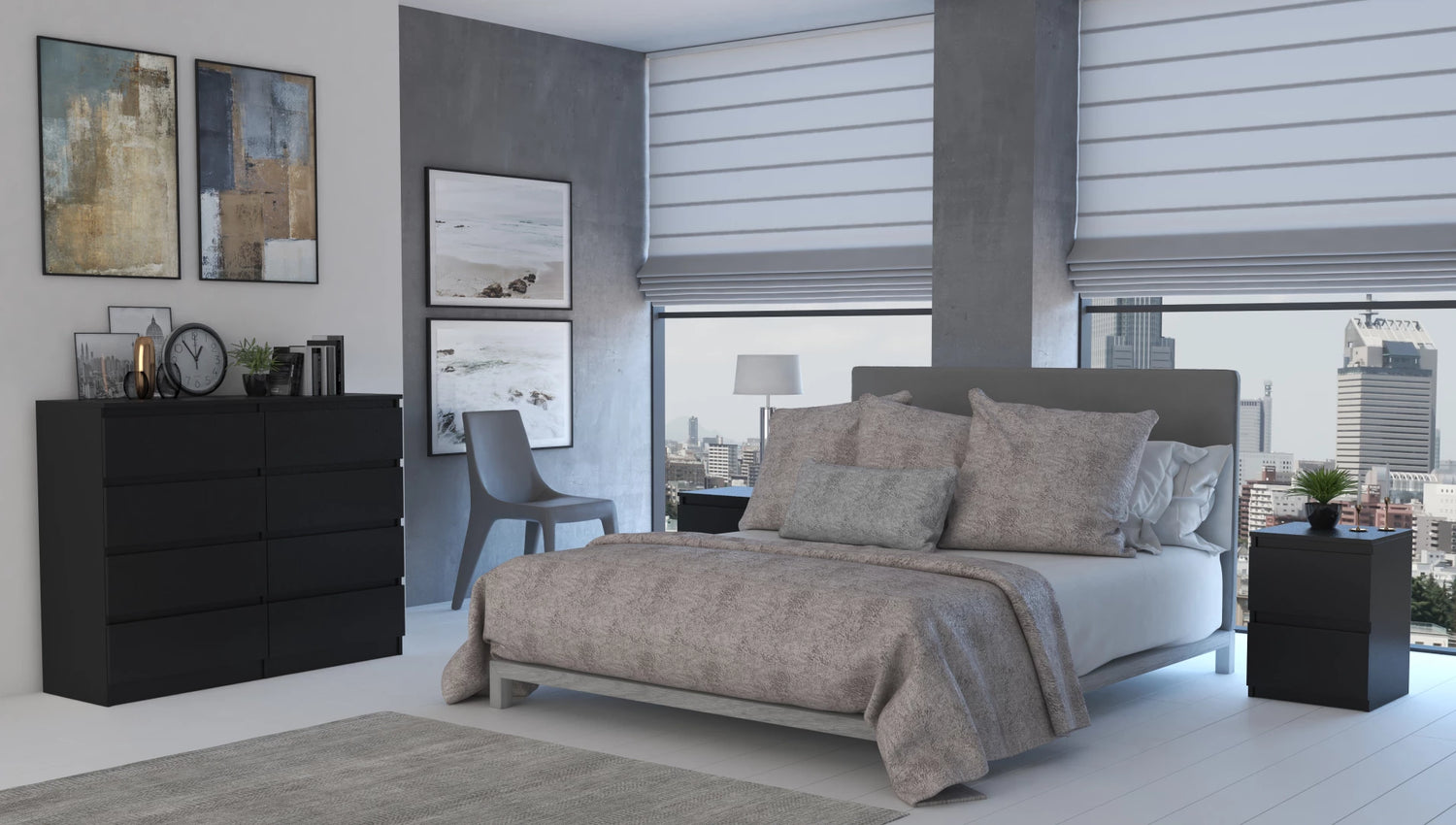


We’ve all walked into those show-home spaces where every piece of furniture is cut from the same cloth—identical woods, matching upholstery, perfectly coordinated side tables. They look polished, but after a moment they also feel oddly lifeless. That’s because when everything in a room speaks in the same voice, there’s no conversation—no tension, no surprise, no personal story. As UK homeowners and renters, we’re craving interiors that feel collected rather than prescribed, warm rather than showroom-slick. Learning to mix and match furniture is how we give a room character, depth and the subtle energy that makes guests want to linger.

Buying furniture in a ready-made set is undeniably convenient. It saves us the mental gymnastics of pairing colours, finishes and silhouettes. Yet that convenience often translates into a space that looks flat—stylistically safe, yes, but missing the lived-in richness of a modern eclectic interior. When everything matches, our eyes glide across the room without ever pausing; there’s nothing to anchor attention, nothing to reveal who we are.
In small UK rooms especially, too much uniformity can even emphasise limited floor space, because the furniture blends into a single visual block. By mixing furniture styles—introducing a mid-century armchair next to a contemporary sofa, or pairing a rustic oak coffee table with a sleek metal sideboard—we break up those blocks, add negative space, and let each piece breathe. The result is a room that feels larger, lighter and infinitely more personal.
Curated Contrast Over Chaos
The goal isn’t to throw random pieces together and hope for the best. Successful furniture combinations share an underlying rhythm: repeated tones, complementary materials, balanced proportions. Think of it like curating a playlist: the songs don’t all belong to the same genre, but they flow because they share a mood, a tempo, a subtle through-line. When we approach our living rooms and bedrooms the same way—letting one style lead, then layering in accents that echo or gently challenge that foundation—we achieve cohesion without sacrificing individuality.
This curated contrast is what gives designer spaces their effortless appeal. It’s also what allows our homes to evolve. A matching set can date quickly, but an eclectic mix can absorb new finds—a vintage market stool, a new Home Hub sideboard—without throwing off the balance. It’s a living, breathing approach that grows with us, reflecting our tastes as they mature.
Explore our Living Room Furniture to mix modern sofas with classic sideboards and create a layered, balanced space.
Choose a Base Style to Anchor the Room

Before we start layering, mixing or reimagining, we need a clear foundation. Every great room—no matter how eclectic or unconventional—has a core style that holds everything else together. Think of this as the lead actor in a well-balanced cast. Other styles can show up, but one needs to take the lead.
Let One Style Lead, Then Layer Around It
- Identify the dominant visual cues already present in your space.
A sleek, low-profile grey sofa with tapered legs often signals a mid-century modern base, while oak furniture, exposed beams and linen fabrics lean more rustic or farmhouse.
- Use this dominant style as your visual anchor.
It becomes the reference point for choosing finishes, materials and future furniture pieces.
- Layer secondary styles intentionally.
A minimalist oak sideboard can sit beautifully next to an Art Deco accent chair, or an industrial lamp can complement a more traditional desk.
- Focus on contrast with purpose, not randomness.
Mixing styles works best when each piece highlights the character of the others rather than competing for attention.
Use Hero Pieces to Set the Tone
- Let one or two key items define the room.
In the living room, this is often the sofa or coffee table. In the bedroom, a bold headboard or statement wardrobe.
- Choose hero pieces that clearly express your primary style.
A contemporary velvet sofa, for example, immediately sets mood, texture and era.
- Build supporting pieces around them.
Add a black metal media unit for edge, or a vintage wooden trunk for warmth and character.
- Make sure nothing upstages the anchor.
Each additional element should either echo the tone of the hero piece or contrast it in a way that feels deliberate.
- Aim for storytelling, not uniformity.
When styles are layered with intention, the room feels curated, balanced and personal—not like a showroom.
Home Hub Tip: If you’re unsure where to start, mix just one modern piece with one traditional one in each zone. Two contrasting heroes are often more effective than five “interesting” pieces fighting for attention.
Mix Wood Tones Without Clashing
One of the trickiest elements to master when we mix and match furniture is combining different wood tones. We’ve all been there—buying a lovely new side table only to realise it doesn’t quite sit right beside our existing chest of drawers. The mismatch can feel jarring, especially in smaller rooms where everything is on display. But mixing wood finishes isn’t just possible—it’s what brings layered warmth and dimension to a space.
The trick lies in understanding tone, not colour. Because while oak, walnut and ash each have their own distinct hues, it’s their undertones—warm, cool, or neutral—that determine whether they’ll sit harmoniously together.
Warm vs Cool Undertones: The Key to Balance
Warm-toned woods, like walnut, cherry and some mid-toned oaks, carry hints of red, yellow or orange. Cool-toned woods, like grey ash or bleached pine, lean towards blue or grey. Mixing the two without intention often feels off—it’s not that the contrast is too bold, but rather that the undertones compete rather than complement.
When blending wood tones, aim to stick within the same tonal family. For instance, pairing a honey-toned oak dining table with a walnut console works beautifully because both share warm undertones, even if their shades differ. Similarly, mixing cool-toned ash with painted greys or matte black furniture can create a sleek, cohesive look.
If you do want to push the boundaries—perhaps combining warm oak with a cooler wood grain—make sure to bridge the contrast. A neutral rug, woven storage baskets, or metal accents can act as visual buffers that soften the shift.
Repeat Tones Through Smaller Accents
One of the most effective ways to make different wood tones feel like they belong in the same room is to repeat each tone at least once elsewhere in the space. This technique builds visual continuity, so nothing feels like a one-off.
Let’s say we’ve introduced a deep walnut sideboard into a room dominated by lighter oak pieces. To prevent it from feeling like an outlier, we might echo that darker tone through a picture frame, lamp base or mirror trim. These subtle repetitions ground the space and create a rhythm that the eye instinctively follows.
In the same way, a light wood coffee table surrounded by darker chairs will feel more intentional if that same pale tone appears again in shelving, flooring, or accessories like trays and bowls.
It’s a quiet but powerful principle: when tones repeat, they relate—even if the styles or finishes differ. That’s what makes a mixed-material room feel cohesive rather than chaotic.
Discover our Chairs to introduce one statement shape without overwhelming the entire room.
Combine Modern and Traditional Shapes
One of the most exciting—and visually impactful—ways to create a layered interior is by blending modern and traditional shapes. These pairings spark contrast, depth and personality. They bring out the best in both worlds, and when done with intention, they elevate a room from predictable to unforgettable.
Contrast Silhouettes for Depth
- Many of us already own furniture that leans in one direction.
An inherited dining table may feel classic, while a sofa might skew clean and modern. Instead of replacing pieces to force a match, this is an opportunity to create a visual dialogue between old and new.
- When everything in a room follows the same silhouette, the eye has nowhere to land.
A space filled only with low-slung mid-century shapes or only with ornate Victorian curves quickly becomes flat.
- Combining opposing forms creates rhythm and energy.
A Scandinavian sideboard paired with a vintage spindle-back chair.
A soft, round ottoman set beside an angular industrial console.
- Scale matters just as much as style.
A high-backed armchair next to a low-profile sofa adds balance.
A tall floor lamp beside a squat side table keeps the visual field dynamic.
- The goal isn’t matching — it’s movement.
We want a mix that feels natural and lived in, not uniform or staged.
Avoid Theme Overload
- There’s a fine line between eclectic and chaotic.
A touch of antique elegance can warm up a minimalist room — but too many vintage details quickly dilute the mood.
- The same applies to industrial accents.
One metal-framed shelving unit adds edge.
Add steel tables, factory stools and exposed bulbs on top — and the space becomes heavy.
- Let bold shapes and materials breathe.
Give each statement piece enough space to stand out on its own.
- Balance strong elements with neutral ones.
Ground unusual forms with simple, calm furniture around them.
- The best interiors use contrast with intention.
Not everything should shout at once — successful mixing feels curated, not competitive.
Home Hub Tip: When mixing styles, stick to a maximum of two strong themes per room (e.g. modern + rustic). Any more, and the space starts to feel like a Pinterest board instead of a home.
Play with Colour, But Keep a Palette
Colour is one of the most powerful tools we have to link different furniture styles and materials. It can either unify a room or fragment it entirely. The good news? You don’t need to stick to one colour to achieve balance. But you do need to create a palette—a thoughtful range of tones that allows the entire room to speak in the same language, even when the dialects vary.
Choosing a cohesive palette gives us freedom. It allows for diverse shapes, styles and textures to coexist without visual noise. And when colour is handled carefully, even the most unexpected combinations begin to feel harmonious.
Choose a Dominant Colour Family
The easiest way to keep things feeling connected is to work within one colour family—whether that’s warm neutrals, cool greys, soft pastels or earthy tones. From there, we can layer in deeper shades or lighter accents, without risking a patchwork effect.
Let’s say we start with warm taupe as our base. A creamy off-white sofa, natural wood tones, and a dusty terracotta armchair all flow beautifully together—even if their styles differ. The shared warmth in their tones keeps the room cohesive.
In contrast, if you start with charcoal grey or deep blue as your base, cooler materials like marble, black metal and icy linens help reinforce the palette, no matter the era or shape of the furniture.
You don’t have to be rigid. The goal isn’t to match swatches, but to maintain a common temperature—so that everything feels like it belongs in the same climate.
Use Texture to Add Interest Without Noise
In smaller UK homes especially, adding more colour can sometimes feel risky. Too many bold hues in one room can shrink the space or create visual overwhelm. That’s where texture becomes your best friend. It gives us variety and depth without turning up the volume.
Think of texture as your way of keeping a neutral palette interesting. A soft wool throw on a velvet armchair. A rattan side table beside a painted cabinet. A linen lampshade over a brushed brass base. These combinations feel rich and curated, even when they stick to similar colours.
Texture also helps link pieces that might otherwise feel disconnected. A modern, matte-painted sideboard suddenly feels more at home next to a rustic oak dining table if both pieces are paired with tactile elements—ceramic vases, woven rugs, or soft textiles in similar tones.