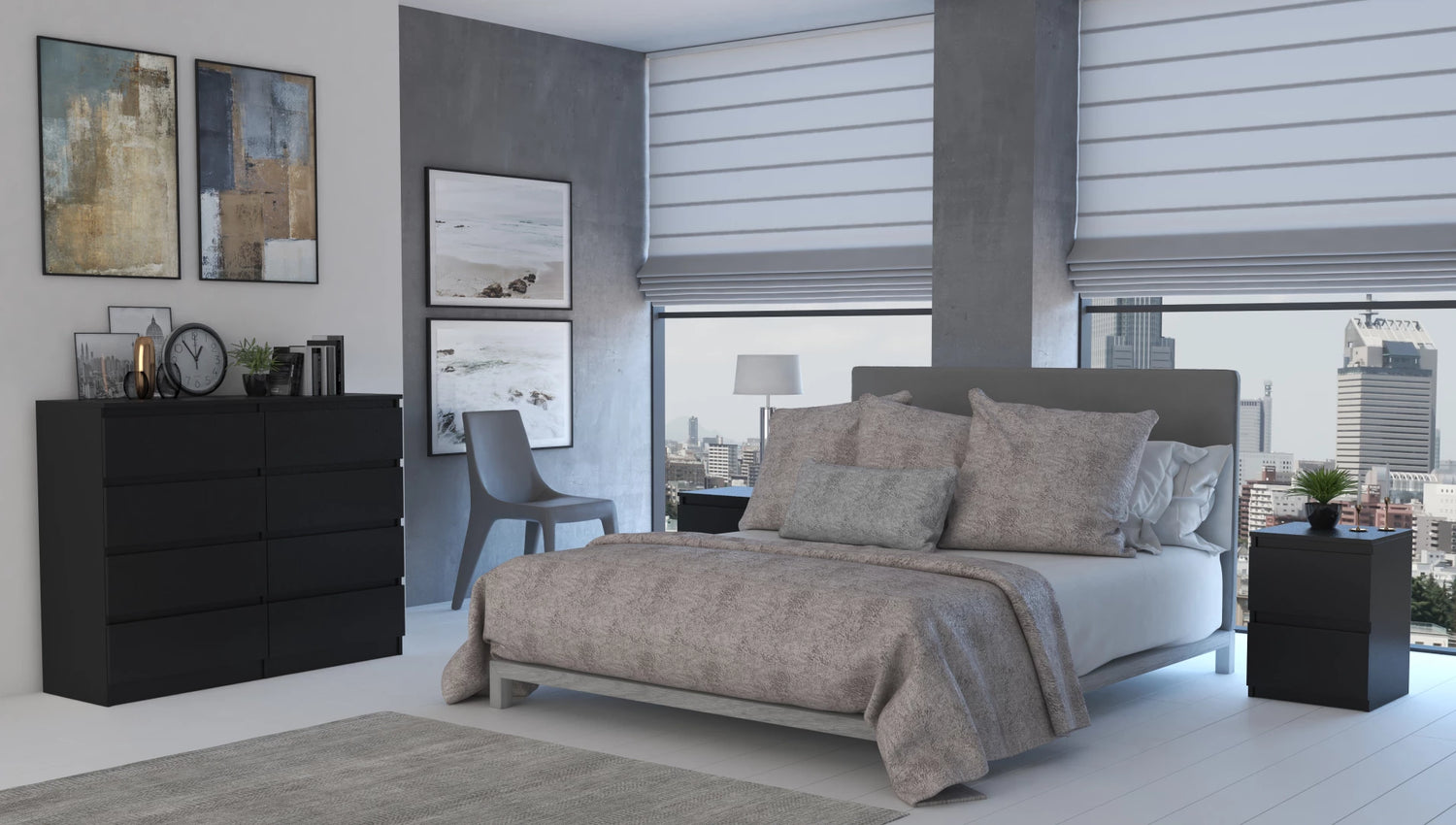


Making Open-Plan Feel Intentional, Not Chaotic
Open-plan living has become a defining feature of modern UK homes. Whether we’ve knocked down walls in a Victorian terrace or moved into a new-build flat designed around a shared space, we love the light, the sense of freedom, and the flexibility an open-plan layout brings. But that openness can also present its own unique challenges—especially when it comes to styling.
More often than not, we start with good intentions: maybe we’ve chosen a beautiful oak dining table, a soft grey corner sofa, and striking kitchen cabinets. But somewhere along the way, things begin to clash. The dining area feels too formal. The living space looks washed out. The kitchen, bold and modern, jars with everything else. Instead of cohesion, we get confusion.
That’s the central issue many of us face: how do we mix colours and materials in an open-plan space without making it feel chaotic? How do we combine our favourite tones, textures, and finishes without ending up with a room that looks like a showroom or, worse, a storage unit?
The answer isn’t to stick to one material or paint every wall the same shade of white. It’s about building harmony through contrast—mixing intentionally, with rhythm and balance in mind. When done right, mixing colour and material can bring your space to life, creating warmth, variety, and personality in every zone of your open-plan home.
In this guide, we’re going to walk through how to create visual flow without everything having to match. We’ll explore how to balance wood with metal, soft with hard, light with dark. We’ll break down why tone matters just as much as texture, and how to use repetition to subtly link spaces together. Whether you're styling a compact kitchen-diner or a large open-plan lounge with multiple functions, this is a practical approach—no jargon, no formulas, just real ideas that work in real UK homes.
Begin with a Base: Choose a Unified Colour Foundation
When working with open-plan spaces, our first instinct is often to start buying furniture and décor right away. But the most successful interiors—those that feel balanced, calm, and cohesive—don’t start with the sofa. They start with a foundation: a unified colour palette that ties every element together across zones.
In an open-plan layout, walls, floors, and ceilings are shared. That means your colour decisions in the dining area will directly impact how your living space feels, and vice versa. If one area is bold and another is muted, the room can feel disjointed. A shared palette, on the other hand, allows each part of the space to retain its own personality while contributing to a harmonious whole.
Use a Primary Neutral to Anchor the Space
Choosing a base neutral colour—something that runs consistently through the space—is the simplest and most effective way to create flow. In the UK, where natural light is often softer and cooler, warm neutrals tend to work best. Think soft off-whites, greige, warm taupe, or gentle stone tones. These shades feel fresh without being stark, and they adapt beautifully to natural and artificial lighting throughout the day.
This base doesn’t need to dominate, but it should appear in multiple areas: on the walls, in the flooring, or even in large furniture pieces like your sofa or kitchen cabinetry. By repeating a grounding tone throughout the space, you create a sense of calm that allows bolder accents and varied materials to shine without competing.
It’s also worth remembering that in open-plan living, the walls act like a visual backdrop to the entire home. A clean, cohesive base allows you to build layers and moments of interest without cluttering the visual field.
Explore our Living Room Furniture designed to anchor open-plan spaces with calm, cohesive style.

Layer with 2–3 Complementary Accent Colours
Once your base colour is established, accent colours are what bring warmth, personality, and depth into an open-plan interior. The key is restraint and repetition, not overload.
-
Limit your palette:
Choose two to three accent colours that complement your base neutral. This keeps the space visually calm while still adding interest.
-
Let materials inspire colour:
Draw accent tones from natural elements already in the room—wood finishes, tiles, stone surfaces, or upholstered furniture.
-
Allow cross-pollination between zones:
Accent colours don’t need to appear everywhere, but they should reoccur subtly. A kitchen tone echoed in cushions, artwork, or ceramics in the lounge helps link the space together.
-
Vary intensity, not hue:
Use lighter and darker versions of the same colour across different areas. This creates flow without repetition feeling obvious or forced.
-
Use accessories strategically:
Rugs, cushions, throws, artwork, and lamps are ideal carriers of accent colour—they’re easy to update and won’t overwhelm the space.
A controlled colour story allows your eye to move comfortably through the room, creating rhythm rather than visual noise.
Home Hub Tip: Before committing, test accent colours at different times of day. In open-plan homes, light changes dramatically from kitchen to lounge, and a shade that works in the morning may feel too cool or heavy by evening.
Blend Materials with Purpose: Wood, Metal, Stone & More
Just like colour, material plays a defining role in how your open-plan space feels. The mix of textures you choose—wood, metal, stone, glass, fabrics—contributes as much to the mood of a room as the palette itself. A table isn’t just a surface; it’s a tactile experience. The frame of a chair isn’t just structural—it’s a visual detail that either grounds the space or lifts it.
In open-plan interiors, we’re often tempted to play it safe and choose a single dominant material across the board. But when everything is oak, or everything is matte black, the space can quickly become flat or one-note. The secret lies in mixing materials intentionally—with balance, proportion, and atmosphere in mind.
Discover our Dining Tables where wood, metal and texture come together with intention.
Avoid Uniformity—Aim for Balance Instead
Uniformity might feel tidy, but in an open-plan setting it tends to wash everything out. Instead of replicating the same finish in every corner, try thinking about how contrasting materials can define each zone. For example, a wooden dining table with metal legs introduces warmth and strength; pair it with upholstered chairs in soft, textured fabric and you suddenly have layers. Those layers create a sense of depth—something that becomes crucial when you're styling large, shared spaces.
What matters isn’t how many materials you use, but how thoughtfully they’re distributed. The most balanced interiors often include a combination of natural warmth (like wood), industrial structure (like iron or steel), and soft elements (like cotton, wool, or boucle). Add a touch of stone or glass, and you bring in even more visual texture without overcrowding the palette.
How to Mix Wood Tones Without Clashing
Mixing wood tones is one of the most common open-plan concerns—but when done intentionally, it adds depth and richness rather than confusion.
-
Understand undertones first:
Warm woods (golden, honey, reddish hues) tend to work best together, as do cooler woods with grey or taupe undertones.
-
Avoid harsh contrasts without transition:
Placing a cool-toned wood directly next to a warm-toned one can feel abrupt. Use neutral flooring, textiles, or upholstery to soften the transition.
-
Let one wood tone lead:
Choose a dominant wood finish—often the floor, dining table, or kitchen cabinetry—and allow other woods to support it rather than compete.
-
Keep finishes consistent:
Mixing matte, satin, and high-gloss wood finishes can create friction. Sticking to similar sheen levels helps different tones feel intentional.
-
Bridge with soft materials:
Rugs, fabric chairs, curtains, or cushions help visually connect varied wood tones and prevent the space from feeling fragmented.
When wood tones are layered with awareness, they create hierarchy and warmth instead of visual conflict.
Home Hub Tip: If you’re unsure whether two wood tones work together, place them next to each other with a neutral material between them (linen, stone, or wool). If they feel calmer with that buffer, they’ll work in the room too.
Integrate Stone, Glass or Upholstery for Contrast
Once you’ve established your wood and metal elements, consider how to break things up with glass, stone, or fabric. These materials act as counterpoints, softening hard edges and introducing sensory variation. A glass-topped coffee table, for instance, can create breathing room in a space that’s already rich in timber. Likewise, a quartz or marble console adds subtle elegance, especially when paired with dark wood or matte black.
Upholstered pieces—such as dining chairs, bar stools, or accent benches—bring in softness, particularly if you’re working with a lot of natural light. Linen, wool blends, velvet or boucle work well to absorb sound and reduce echo in open-plan homes while elevating comfort levels.
The beauty of mixing materials lies in the way they engage your senses. Smooth next to rough, cool next to warm—it’s these contrasts that give an open-plan room its soul. When each material has a purpose and a presence, the entire space feels curated, not crowded.
Zone with Confidence: Define Areas Through Tone and Texture
The beauty of open-plan living lies in its flexibility. But with freedom comes a subtle design challenge: without the natural divisions of walls, how do we create distinct, purpose-driven areas that still feel like part of the same home?
That’s where zoning comes in. It’s not about erecting barriers or forcing contrast—it’s about using tone, texture and layout to build intuitive transitions between your living, dining, and kitchen spaces. When done thoughtfully, zoning turns an open room into a curated experience.
Use Rugs, Lighting and Paint to Create Distinct Areas
In open-plan interiors, zoning is what turns a large shared space into a series of purposeful, intuitive areas—without the need for walls.
-
Rugs define floor zones:
A large rug under the sofa and coffee table visually anchors the living area and separates it from dining or kitchen zones.
-
Lighting signals function:
Pendant lights over dining tables, task lighting in the kitchen, and softer lamps in the lounge create distinct moods within one space.
-
Paint adds subtle separation:
A slightly deeper or warmer shade of your base colour on one wall can define a zone without breaking visual continuity.
-
Layer tools rather than relying on one:
The most effective zoning comes from combining rugs, lighting, and colour—not using a single divider.
-
Maintain visual flow:
While zones should feel distinct, they shouldn’t feel disconnected. Keep materials and tones consistent to ensure smooth transitions.
Zoning done well guides movement and behaviour naturally, helping each area feel intentional while preserving the openness of the layout.
Home Hub Tip: When zoning with rugs, always go bigger than you think. A rug that’s too small makes the area feel accidental, while a generously sized one makes the zone feel intentional and grounded.
Keep Transitions Smooth but Purposeful
While distinct zones are important, so is flow. One of the most common mistakes in open-plan design is allowing each zone to develop in isolation. A dark industrial dining space next to a soft pastel lounge, for example, may reflect different styles—but without intentional bridges, they’ll fight for attention.
Smooth transitions come from repetition and contrast in balance. If you’re using black metal legs on your dining table, consider echoing that detail in your coffee table or curtain hardware. If your sofa is upholstered in a soft oatmeal fabric, bring that warmth into the dining area through a linen runner or a woven pendant shade.
These links should be subtle, not staged. It’s not about duplication—it’s about familiarity. Just enough overlap to make the space feel unified, while allowing each zone to tell its own story.
A well-zoned open-plan layout feels natural. We move from one function to the next with ease, guided not by structure, but by cues embedded in light, tone and material. The result? A space that lives well, looks beautiful, and never feels disconnected.
Tie It Together with Details, Not Matching Sets
One of the easiest ways to unintentionally flatten a space is to rely on matching furniture sets. While it may seem like a safe option—especially in larger, shared spaces—uniformity often dilutes character. True cohesion doesn’t come from repetition. It comes from resonance: small, thoughtful details that echo one another across zones.
In open-plan interiors, the magic lies in the mix—not just of materials and colours, but of finishes, accents, and unexpected connections. When these threads are woven carefully, the room feels curated, not copied.
Repetition, Not Replication
Let’s say your kitchen has brushed brass handles on the cabinetry. That same tone could appear again in the base of your table lamp, a photo frame, or the legs of your dining chairs. These details might not stand out individually, but collectively, they build cohesion.
This approach is especially effective when mixing materials. If you’ve combined oak and black metal in the dining area, introduce a soft version of that same palette in the lounge—a wooden side table with black accents, or a wall-mounted shelf in matching finishes. These moments of repetition pull the room together without forcing a theme.
Instead of aiming for sets, aim for connection points. They don’t need to be obvious. They just need to repeat—enough that your brain registers the rhythm and feels at ease.
Accent Pieces as Connectors
If colour and material are your foundations, accessories are the glue that brings it all together. Think of them as the final layer—a chance to introduce personality, softness, and small nods to your broader palette.
A cushion that echoes the hue of a kitchen tile. A rug that balances the richness of your dining chairs. A piece of artwork that subtly links the tones of three distinct zones. These accents don’t just decorate; they tie.
And when done sparingly, they let your core materials breathe. The mistake many people make in open-plan spaces is adding more to create unity—more colour, more décor, more “stuff.” But often, what we really need is less, placed with purpose.
When every element—large or small—has a reason to exist, and when those reasons overlap across zones, the space sings. Not with sameness, but with intention. And that’s the kind of design that not only looks good—it lives well.
Browse our Shelvings - the small details that connect colours, materials and zones seamlessly