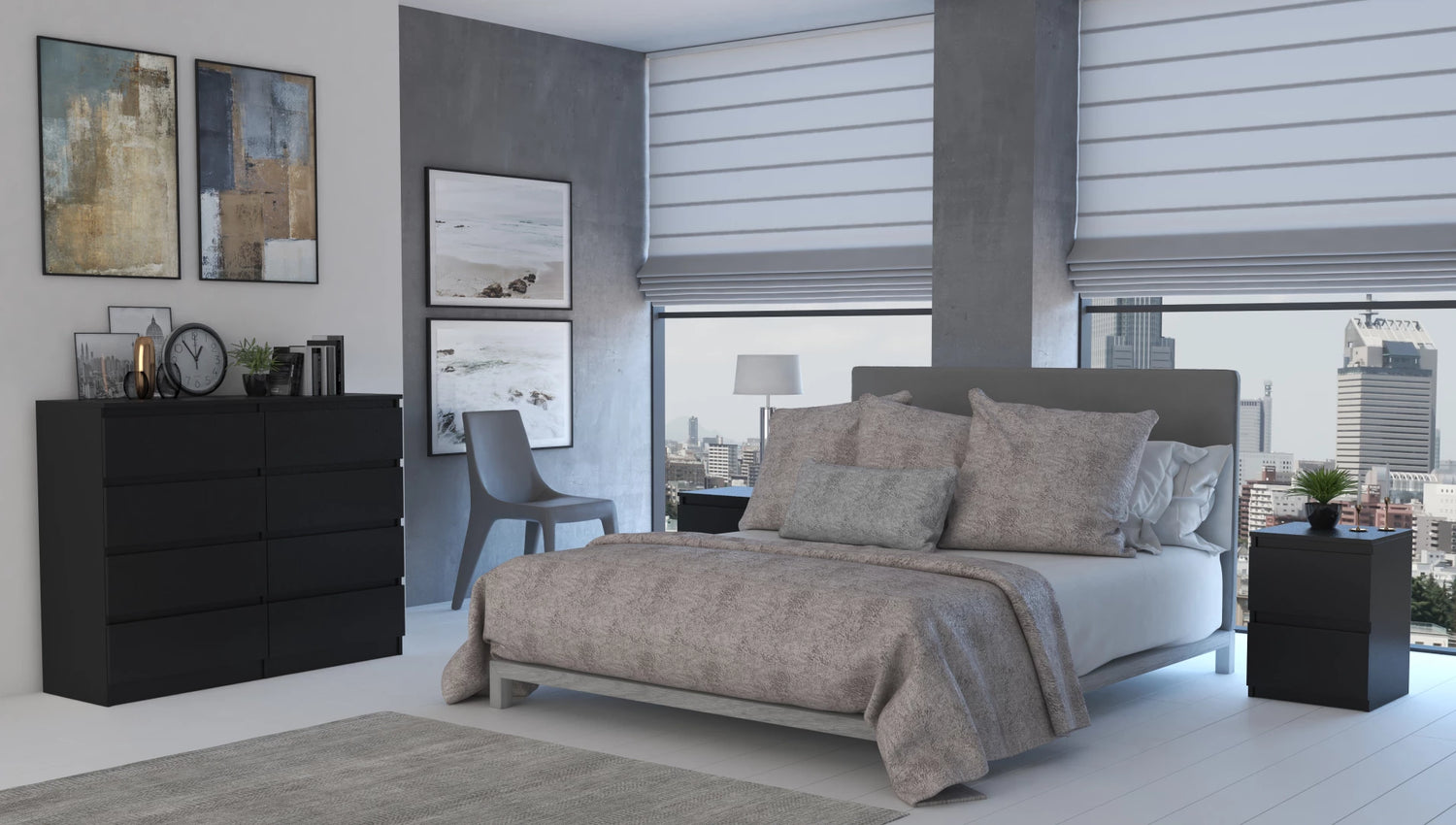


Let’s be honest—we spend a lot more time in our bedrooms than we might realise. It’s where we start and end our day, and for many of us, it’s the space we retreat to for a bit of calm when the world feels loud. And what’s the one piece of furniture we reach for the moment we’re in bed? The bedside table. Whether we’re placing a glass of water, reaching for a book, or simply needing somewhere to charge our phone, this compact yet essential piece of furniture plays a much bigger role than we give it credit for.
But choosing the right bedside table isn’t as simple as picking one that “looks nice.” It’s about matching dimensions, understanding our daily habits, and integrating the right material and finish with the rest of the room. In this guide, we’ll walk through how to choose a bedside table that fits your lifestyle and bedroom layout—because what works in a guest room isn’t necessarily the best fit for a busy master suite or a cosy rental flat. By the end of this read, you’ll be equipped to make a confident, informed choice that doesn’t just look great—but works beautifully, too.
Measure Twice, Buy Once: Why Size Truly Matters

When it comes to choosing a bedside table, size isn’t just a matter of fit—it’s a matter of comfort and function. The most common mistake people make is overlooking height, which can turn a simple night-time routine into a daily frustration. The top of your bedside table should ideally align with the top of your mattress, or sit just a few centimetres higher. Anything drastically taller or shorter can make it awkward to reach for your essentials.
To find the right balance, focus on the key dimensions that affect both practicality and aesthetics:
- Height: Aim for your bedside table to be level with your mattress top, or up to 4 cm higher, for effortless reach.
- Width: For compact rooms, choose slimmer tables around 30 cm wide. Larger spaces can handle 50 cm or more for extra storage or décor.
- Depth: Keep it around 35 cm on average—deep enough for functionality, but not so much that it intrudes into walking space.
- Clearance: Ensure drawers and doors can open freely without hitting rugs, radiators, or other furniture.
- Symmetry: In shared bedrooms, matching heights on both sides of the bed create visual balance and comfort consistency.
Getting the proportions right ensures your bedside table doesn’t just look good—it feels right to use. Because in small bedrooms, every centimetre counts, and comfort comes from thoughtful design as much as style.
Explore our Bedside Tables designed to fit perfectly in compact bedrooms without sacrificing storage or style.
Materials and Finishes That Last: Choosing a Bedside Table That Ages Gracefully
It’s easy to fall for a bedside table purely based on style, especially when you’re browsing beautifully curated images online. But once it arrives and you start living with it—touching it, cleaning it, hearing how the drawer slides—you quickly realise that the material is what determines not just the look, but the feel of your bedroom space. A well-chosen material elevates your furniture from “decorative” to “dependable,” giving you something that doesn’t just sit pretty but truly performs.
When we choose a bedside table, we’re not just choosing storage—we’re choosing texture, temperature, weight, durability, and even acoustics. Some surfaces dampen sound and feel warm to the touch, while others are sleek, glossy, and make a statement. Let’s explore some of the most popular materials used in UK bedside cabinets today, and how to pick one that fits both your personal style and your everyday routine.
The Warmth and Weight of Solid Oak
For many of us, a solid oak nightstand represents the gold standard of bedroom furniture. Oak carries a natural warmth and timeless appeal that works beautifully in both modern and traditional interiors. Its grain patterns, soft tones, and subtle imperfections give it character that only deepens with time.
Here’s why solid oak remains a favourite for bedside furniture:
- Built to last: As a dense hardwood, oak resists scratches, dents, and everyday wear far better than lighter materials.
- Natural beauty: Each piece has unique grain and tone variations, adding depth and authenticity to your space.
- Low maintenance: Oak needs minimal care—occasional oiling keeps it protected and rich in colour.
- Aging gracefully: Over time, it develops a soft patina that enhances rather than diminishes its charm.
- Design versatility: Works equally well in Scandinavian, rustic, or contemporary schemes.
Solid oak is more than a trend—it’s a long-term investment. It grounds your bedroom with natural warmth while offering the kind of durability that makes every day use feel effortless.
Home Hub Tip: If you love the strength of metal but worry it might feel too cold, balance it with warmth elsewhere — think soft textiles, warm lighting, or a natural wood headboard. This combination keeps your bedroom feeling inviting while maintaining a modern edge.
Sleek, Clean, and Modern: The Case for Metal
At the opposite end of the design spectrum, metal bedside tables bring a cool, refined energy to the bedroom. They’re ideal for contemporary flats, loft-style spaces, or minimalist setups where lightness and simplicity take priority.
Key reasons to consider a metal nightstand:
- Slim profile: Metal frames take up less visual space—perfect for compact or narrow bedrooms.
- Effortless upkeep: Simply wipe down to clean—no oils, varnishes, or coasters required.
- Durable finish: Resistant to moisture, stains, and daily use, making it highly practical.
- Versatile tone: Complements neutral palettes and modern materials like glass or concrete.
- Perfect contrast: Paired with fabric lamps or wood textures, it balances warmth and structure beautifully.
Metal nightstands bring precision and clarity to your space—sleek, modern, and effortlessly practical. When softened with textiles or natural accents, they create that ideal mix of comfort and sophistication.
Textural and Lightweight: The Rise of Rattan and Cane
There’s been a quiet revolution happening in interiors over the past few years—and its name is rattan. This woven material has surged in popularity across the UK, especially in bedrooms where people are embracing natural finishes, airiness, and softer tones. A rattan bedside table offers a handcrafted, artisanal feel that stands out in a sea of flat-pack sameness.
What makes rattan so appealing is its lightness—both visually and physically. It brings texture and breathability to a room, which is especially valuable in small or sunlit spaces. It pairs beautifully with boho, coastal, or even Japandi interiors, where a sense of calm and organic flow is key.
However, rattan does come with a few considerations. It needs occasional sealing or protection from excessive moisture, and it may not be the best option for high-traffic or child-friendly environments. But for a secondary bedroom or style-focused setup, it’s a beautiful way to add personality without overwhelming the space.
Finishes That Complement, Not Compete
Material is only part of the story—the finish you choose also plays a significant role in how your bedside table fits into your overall aesthetic. A matte lacquer adds sophistication and helps hide fingerprints, while high-gloss surfaces reflect light and can brighten up darker rooms. Meanwhile, stained wood offers depth and richness, allowing the grain to shine through while aligning with a warmer palette.
Painted finishes, especially in white, navy, or sage green, are increasingly popular in UK interiors, lending a fresh and modern edge without being overpowering. Just be sure the finish is durable and resistant to chipping—especially around drawer fronts and edges, where daily contact is inevitable.
Pair your new bedside tables with one of our Small Chests of Drawers for extra storage and a perfectly coordinated bedroom setup.
Matching or Mixing? Choosing a Style That Reflects Your Personality
A growing number of UK homeowners are embracing a more expressive approach to bedroom design—mixing and matching bedside tables instead of sticking to identical sets. This trend celebrates individuality and adds depth, warmth, and texture to modern interiors. When done thoughtfully, contrast can make a room feel more curated and lived-in.
Here’s how to make mixed-and-matched bedside tables look intentional rather than accidental:
- Link through materials: Combine different finishes, but echo one element—like brass handles, wood tones, or metal legs—to keep the look cohesive.
- Balance proportions: Even if styles differ, keep heights and visual weight similar so the space still feels harmonious.
- Play with shapes: Pair a rounded table with a rectangular one for a softer, more dynamic feel.
- Use colour for connection: Stick within a shared palette—contrast light and dark, but maintain tonal harmony.
- Add a unifying detail: Lamps, artwork, or matching décor pieces can tie the two sides of the bed together effortlessly.
This approach works beautifully in contemporary homes and for anyone who enjoys evolving their style over time. It allows flexibility—you can refresh your space gradually, one piece at a time, while still keeping a polished, considered look.
Whether you lean toward symmetry or contrast, the goal remains the same: your bedside tables should complement the room’s mood and scale. True balance isn’t about perfect matches—it’s about thoughtful coordination that reflects your personality.
Home Hub Tip: When mixing bedside tables, keep one design element consistent—like matching lamps, hardware, or colour tones. This small detail ties the look together and makes the contrast feel intentional rather than random.
Smart Features That Make Everyday Living Easier
Practical Design Meets Modern Living
Gone are the days when a bedside table was little more than a box with a drawer. Today’s designs combine functionality with innovation, offering smart features that subtly improve the way we use our bedrooms—without shouting for attention. Whether you’re furnishing a compact city flat or upgrading a family home, these additions can elevate a simple piece of furniture into something genuinely useful.
One of the most underrated features we’re seeing more of in UK nightstands is the pull-out tray. This slim, hidden extension gives you a little extra surface space when you need it—perfect for a cup of tea in the morning or a place to set your phone while it charges overnight. When not in use, it slides seamlessly back into the unit, keeping the footprint compact and clutter-free.
Another clever detail worth looking for is motion-sensor lighting built into the underside of the table. This is especially helpful during the night, providing a soft glow that activates when you step out of bed—no need to fumble for a lamp switch or wake your partner. It's a small feature, but it can make a huge difference in how comfortable and user-friendly your bedroom feels.
Drawers That Open Quietly, Lights That Glow Gently
Functionality doesn’t stop at lighting. The drawers themselves have come a long way in recent years. Many high-quality bedside tables now come with soft-close runners, which reduce noise and help prevent the kind of wear and tear that happens when drawers are slammed shut.
Soft-close mechanisms also lend a feeling of luxury—subtle, yes, but unmistakable. It’s the kind of detail that signals the difference between flat-pack furniture and a well-crafted piece you’ll keep for years.
For tech-savvy households, integrated USB charging ports are fast becoming a must-have. Rather than trailing chargers across the room or cluttering your plug sockets, some modern nightstands now include discreet ports tucked into the back or inside drawers—perfect for keeping devices powered and out of sight.